Quality & documentation
Documentation is part of the material, not an add-on to it. This page explains what we keep for each batch, how to read analytical documents and where authorised institutions can find them.
We do not publish certificates, test results or purity percentages that we have not received and verified for the specific batch.
Product identification
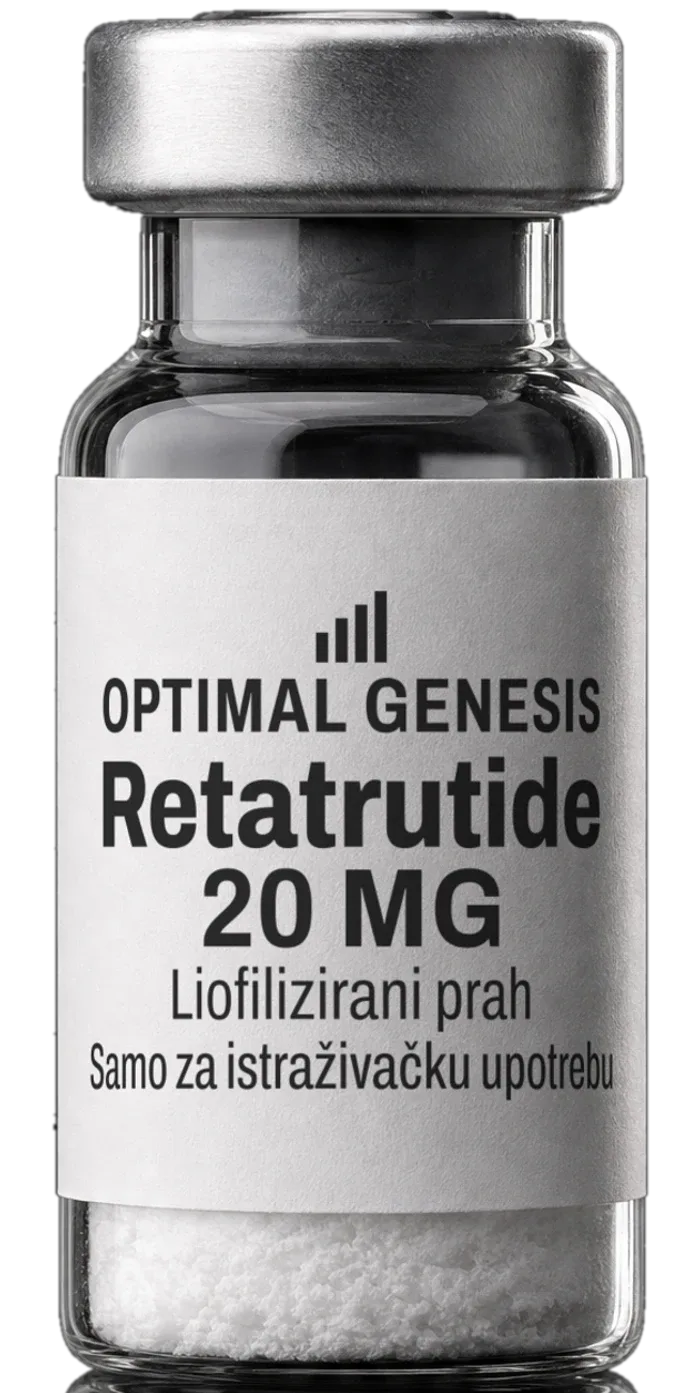
Every catalogue entry starts with an unambiguous identification: the product name, the name as printed on the label, the labelled quantity and the format. Chemical identifiers — CAS number, molecular formula, molecular weight and sequence — are added only once confirmed by the manufacturer’s documentation.
If any of these values is not confirmed, the catalogue field clearly states that the information is not available. An empty field is more accurate than an assumption.
Batch traceability
The batch number links a physical vial to the documents that describe it. Every documentation record we publish is tied to exactly one batch, so results from one batch are never attributed to another.
A batch record may include the manufacture date, the expiry date and a list of associated documents — when that information is available.
Analytical testing methods
Analytical documentation for peptides is usually based on several complementary methods. They are described here to make documents easier to read — not as a claim that a given method was applied to any batch.
- High-performance liquid chromatography (HPLC) separates the components of a sample; the result is most often expressed as the area share of the main peak.
- Mass spectrometry (MS) confirms that the measured mass matches the expected molecular mass, which supports identity.
- Additional methods — such as water or counter-ion content — may be listed if the manufacturer performed them.
The methods actually used are always stated in the document for the specific batch.
Certificates of Analysis (COA)
A certificate of analysis is a manufacturer’s or laboratory’s document that lists, for a specific batch, the methods applied, the specifications and the measured results. A reliable COA includes the batch number, the test date, the name of the issuing laboratory and a signature or other mark of the responsible person.
We publish a COA only if we have received it for that batch. We do not create, alter or “carry over” certificates from one batch to another.
Interpreting purity measurements
A purity percentage obtained by HPLC shows the share of the main component among the components the method detected. It is not the same as the net peptide content of a vial, which can be lower because of water, salts and counter-ions.
A purity percentage should therefore always be read together with the method, the test conditions and the batch number. We do not state purity values without actual analytical results for the specific batch.
Storage documentation
Storage conditions and stability data are specific to the product and its formulation. We publish them solely as given in the manufacturer’s documentation, and state a temperature range only when it is confirmed.
Until that information is available, the catalogue entry says so instead of offering generic advice.
Order today.
Retatrutide and the rest of the range arrive by courier. You pay only on delivery.
Buy Retatrutide